
Essential Tips for Beginner Knitting and Crocheting

Knitting and crocheting are not just hobbies; they are gateways to creativity, relaxation, and even community. Whether you are looking to create cozy scarves, intricate blankets, or unique gifts, getting started can feel overwhelming. But fear not! This guide will provide you with essential tips to embark on your knitting and crocheting journey with confidence.
Understanding the Basics
What is Knitting?
Knitting involves creating fabric by interlocking loops of yarn using two needles. The process can seem complex at first, but with practice, you will find it both enjoyable and rewarding.
What is Crocheting?
Crocheting, on the other hand, uses a single hook to pull loops of yarn through other loops. It often results in a different texture and appearance compared to knitting, making it a versatile craft.
Key Differences Between Knitting and Crocheting
Tools: Knitting requires two needles, while crocheting uses one hook.
Stitch Types: Knitting stitches are generally more uniform, while crocheting can create a variety of textures.
Speed: Many find crocheting to be faster for certain projects, while knitting may be preferred for others.
Getting Started: Tools and Materials
Essential Tools for Knitting
Knitting Needles: Available in various materials (wood, metal, plastic) and sizes. Beginners often find medium-sized needles (US size 8 or 9) easiest to work with.
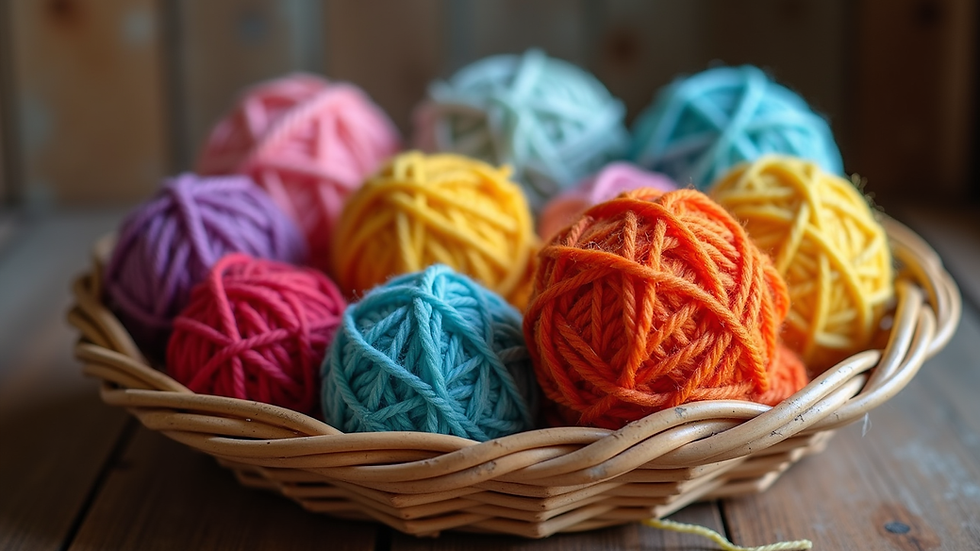
Yarn: Choose a medium-weight yarn (like worsted weight) in a color you love. Natural fibers like wool or cotton are great for beginners.
Scissors: For cutting yarn.
Tapestry Needle: For weaving in ends after finishing your project.
Essential Tools for Crocheting
Crochet Hook: Start with a medium-sized hook (H/8 or 5mm) for ease of use.
Yarn: Similar to knitting, a medium-weight yarn is ideal.
Scissors: For trimming yarn.
Stitch Markers: Helpful for keeping track of your stitches.
Learning the Stitches
Basic Knitting Stitches
Knit Stitch: The foundation of most knitting projects.
Purl Stitch: Creates a different texture and is often used in combination with the knit stitch.
Basic Crocheting Stitches
Chain Stitch: The starting point for most crochet projects.
Single Crochet: A fundamental stitch that forms the basis of many patterns.
Double Crochet: Adds height and is commonly used in various designs.
Finding Patterns and Projects
Where to Find Patterns
Books: Look for beginner-friendly knitting and crocheting books at your local library or bookstore.
Online Resources: Websites like Ravelry, Pinterest, and YouTube offer countless free patterns and tutorials.
Craft Stores: Many local craft stores provide free patterns with the purchase of yarn.
Choosing Your First Project
Start with simple projects that allow you to practice your stitches without feeling overwhelmed. Here are a few ideas:
Knitting: A basic scarf or dishcloth.
Crocheting: A simple granny square or a small bag.
Tips for Success
Practice Regularly
The more you practice, the more comfortable you will become with your tools and techniques. Set aside time each week to work on your projects.
Don’t Be Afraid to Make Mistakes
Mistakes are part of the learning process. If you drop a stitch or make an error, don’t be discouraged. Simply unravel your work and start again.
Join a Community
Consider joining a local knitting or crocheting group. This can provide support, inspiration, and a chance to meet fellow crafters. Many communities also have online forums where you can ask questions and share your progress.
Troubleshooting Common Issues
Knitting Problems
Dropped Stitches: If you notice a dropped stitch, use a crochet hook to pick it back up.
Tension Issues: If your stitches are too tight or too loose, practice adjusting your grip on the yarn.
Crocheting Problems
Twisted Chains: If your chain is twisted, simply unravel and start over.
Uneven Stitches: Focus on maintaining consistent tension as you work.
Expanding Your Skills
Advanced Techniques
Once you feel comfortable with the basics, consider exploring more advanced techniques such as:
Knitting in the Round: Great for hats and socks.
Colorwork: Techniques like Fair Isle or intarsia can add beautiful designs to your projects.
Crochet Lace: Delicate patterns that can enhance your crocheting repertoire.
Resources for Learning
Online Courses: Websites like Craftsy and Skillshare offer structured courses for all skill levels.
YouTube Tutorials: A wealth of free video tutorials can help you visualize techniques.
Conclusion
Knitting and crocheting are fulfilling crafts that can provide endless opportunities for creativity and relaxation. By starting with the basics, practicing regularly, and connecting with others, you will find joy in your projects. Remember, every expert was once a beginner. So grab your yarn and needles, and let your creativity flow!
Now that you have the essential tips for beginner knitting and crocheting, it’s time to take the next step. Choose a project, gather your materials, and start crafting something beautiful today!
Comments